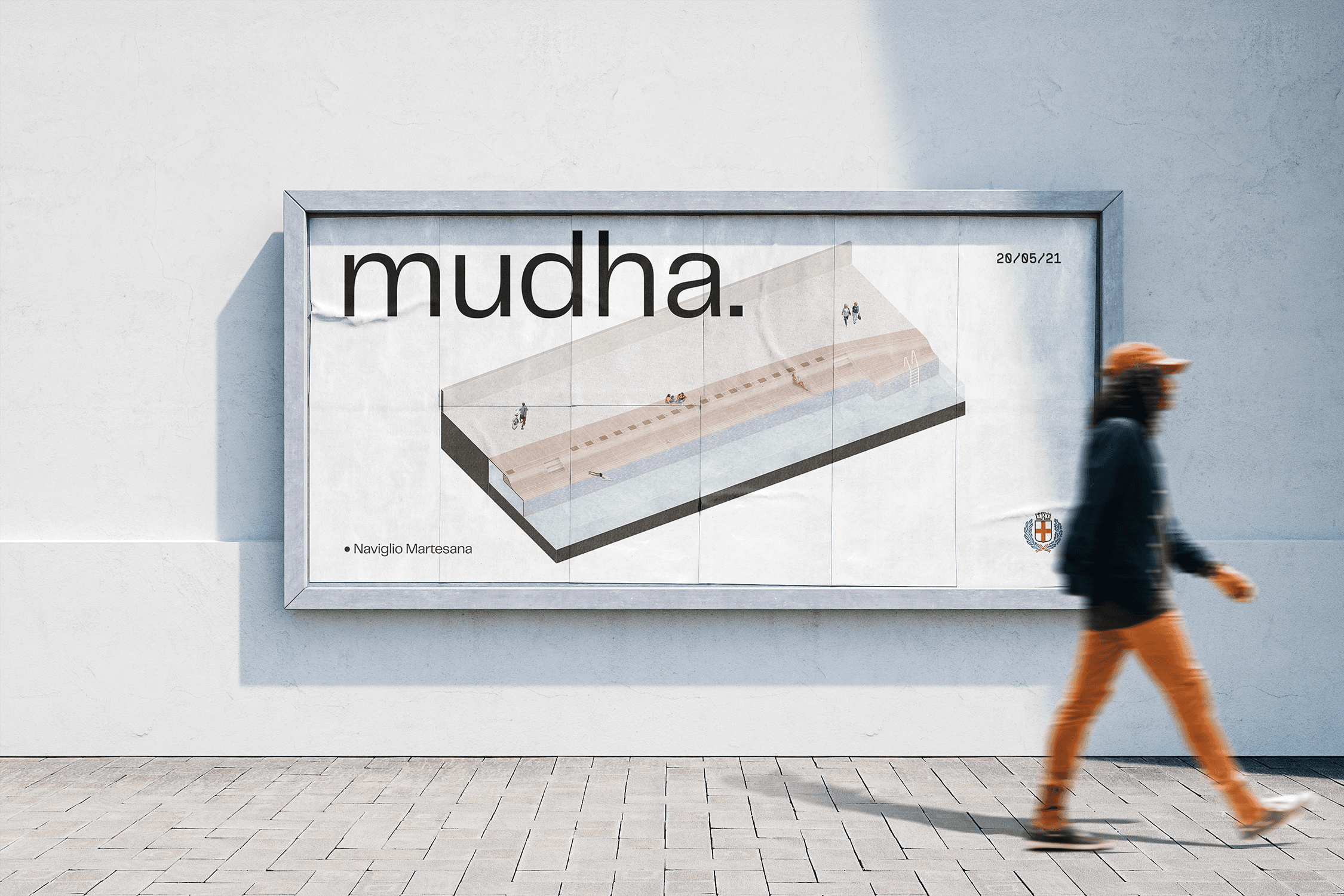
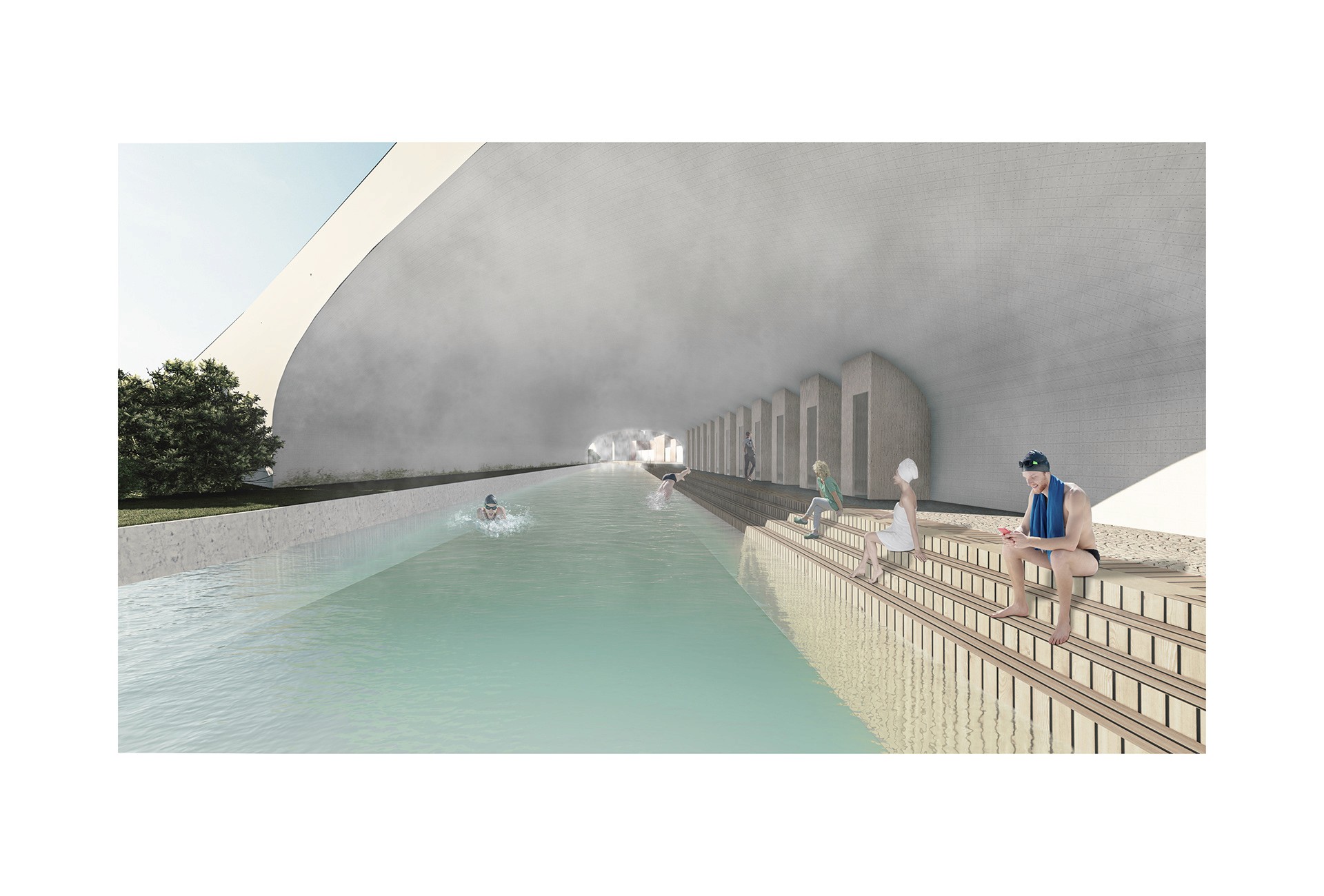
This project, developed during the final year of my master’s degree at Politecnico di Milano, aimed to redevelop the Naviglio Martesana area in Milan through a public service design. The focus was on integrating physical activity and well-being into the area by placing water at the center of the urban experience, inspired by the Berlin Spree model.
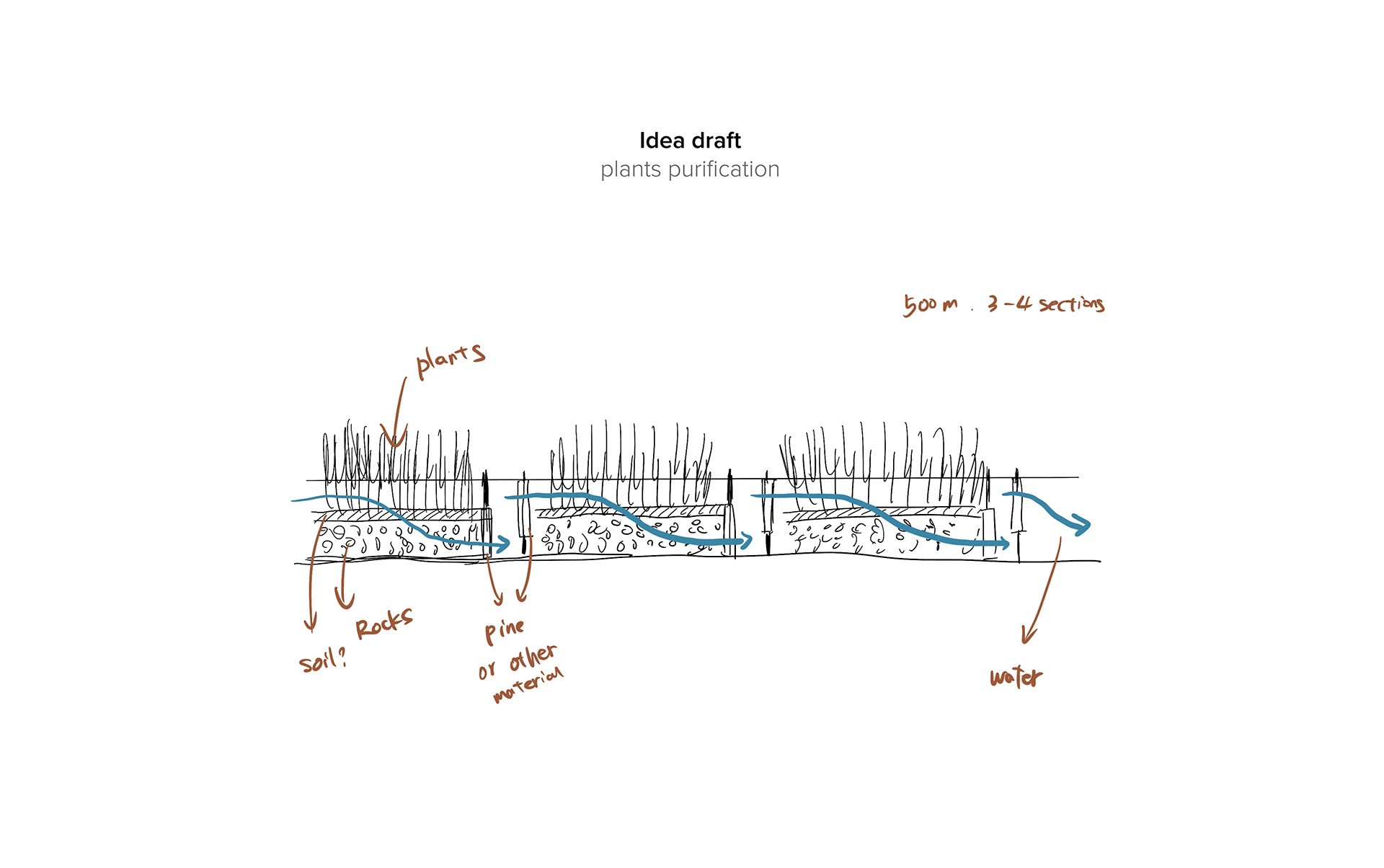
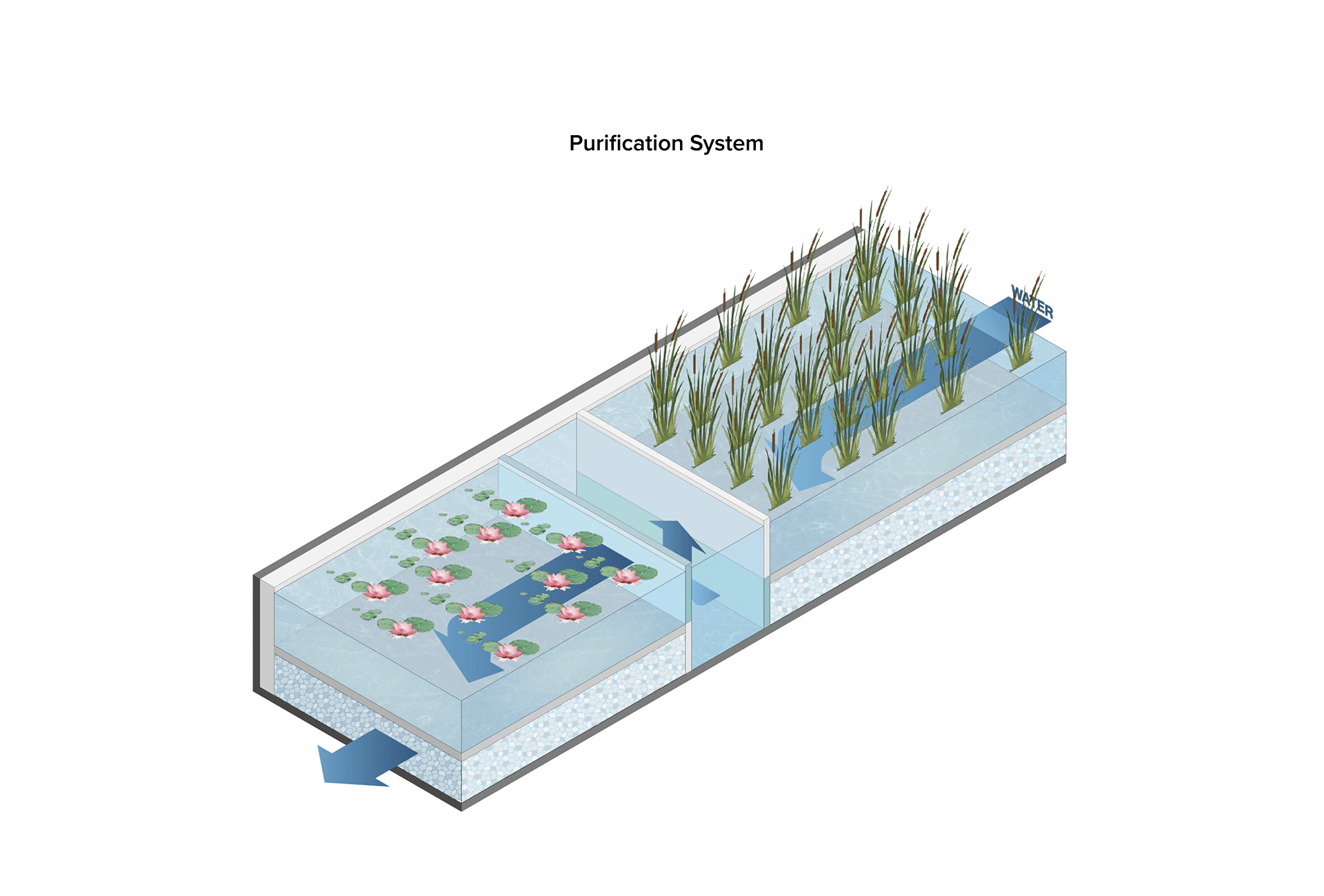
Goal: The aim was to create a water purification system using plants and algae, enabling the revitalization of the urban space. The design aimed to improve the existing infrastructure while promoting social interaction, exercise, and environmental sustainability.
Approach: The project applied service design methodologies and design thinking techniques to urban planning. The design centered around four key bridges in the area, each serving as interaction points for different services related to health, exercise, and community engagement. This approach ensured that water was both a functional and symbolic element in the redesign, without disrupting the space's current use.
The main issue addressed was the underutilization of the canal water as a resource, despite its prominent position in the urban landscape.
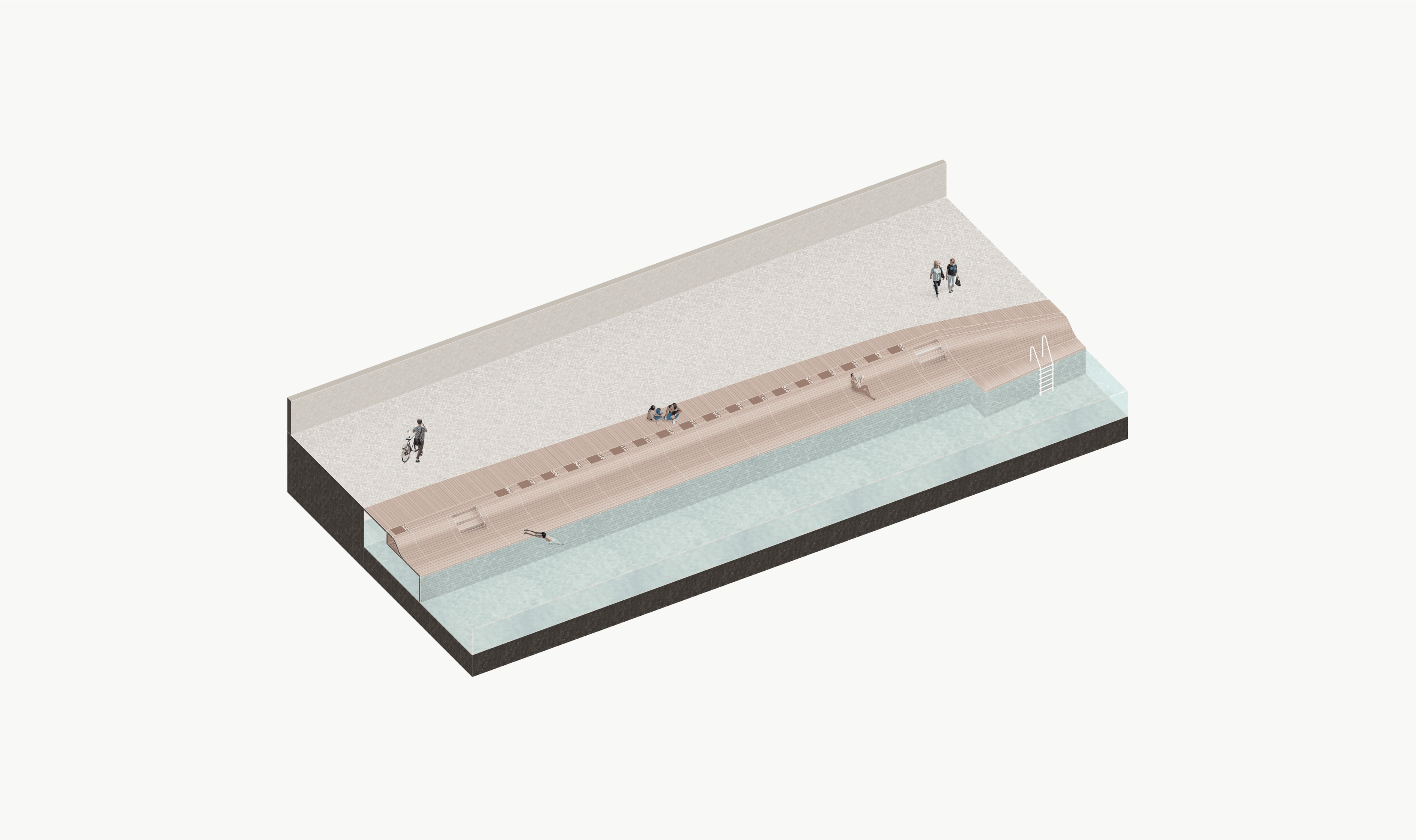
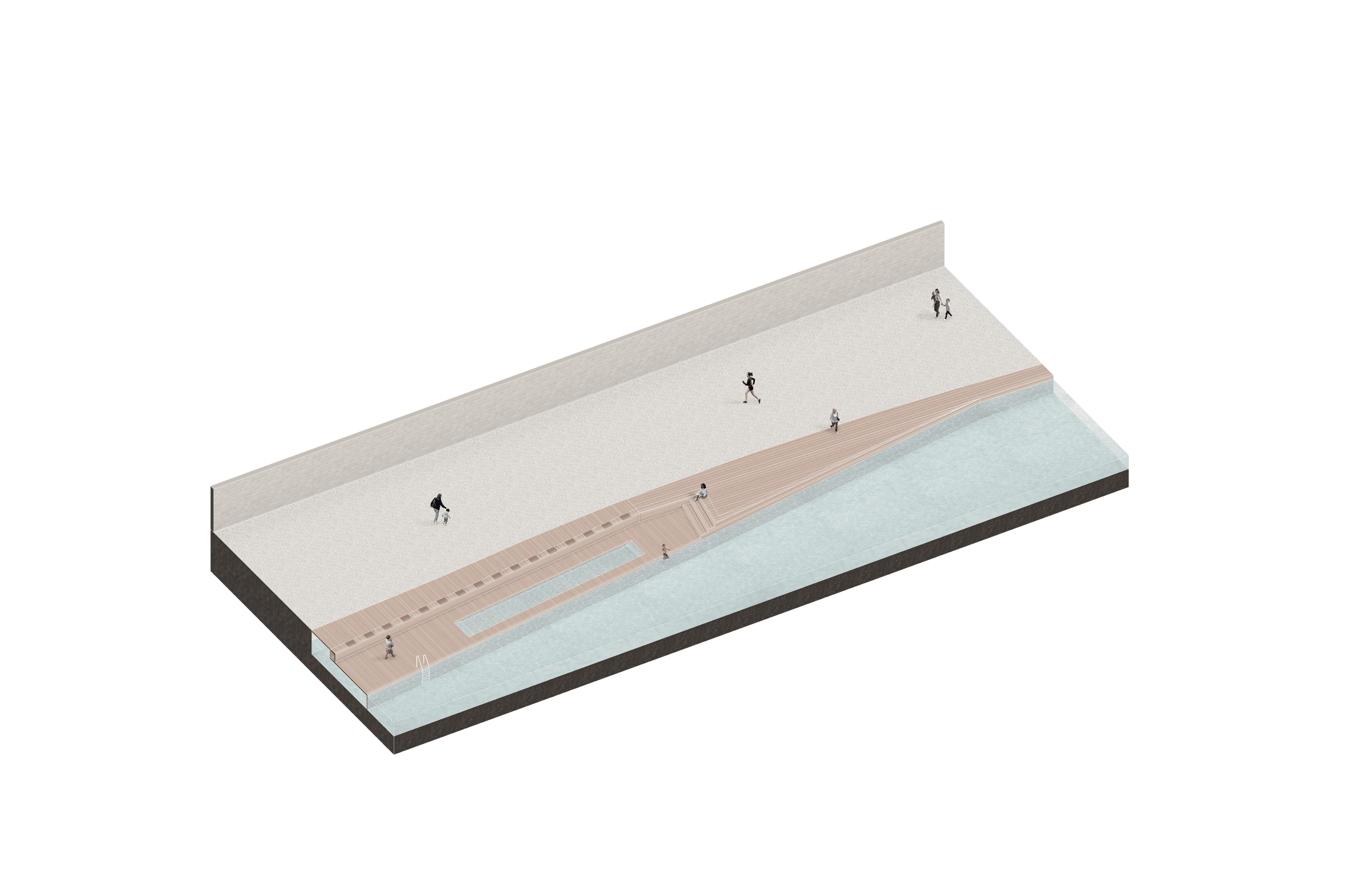
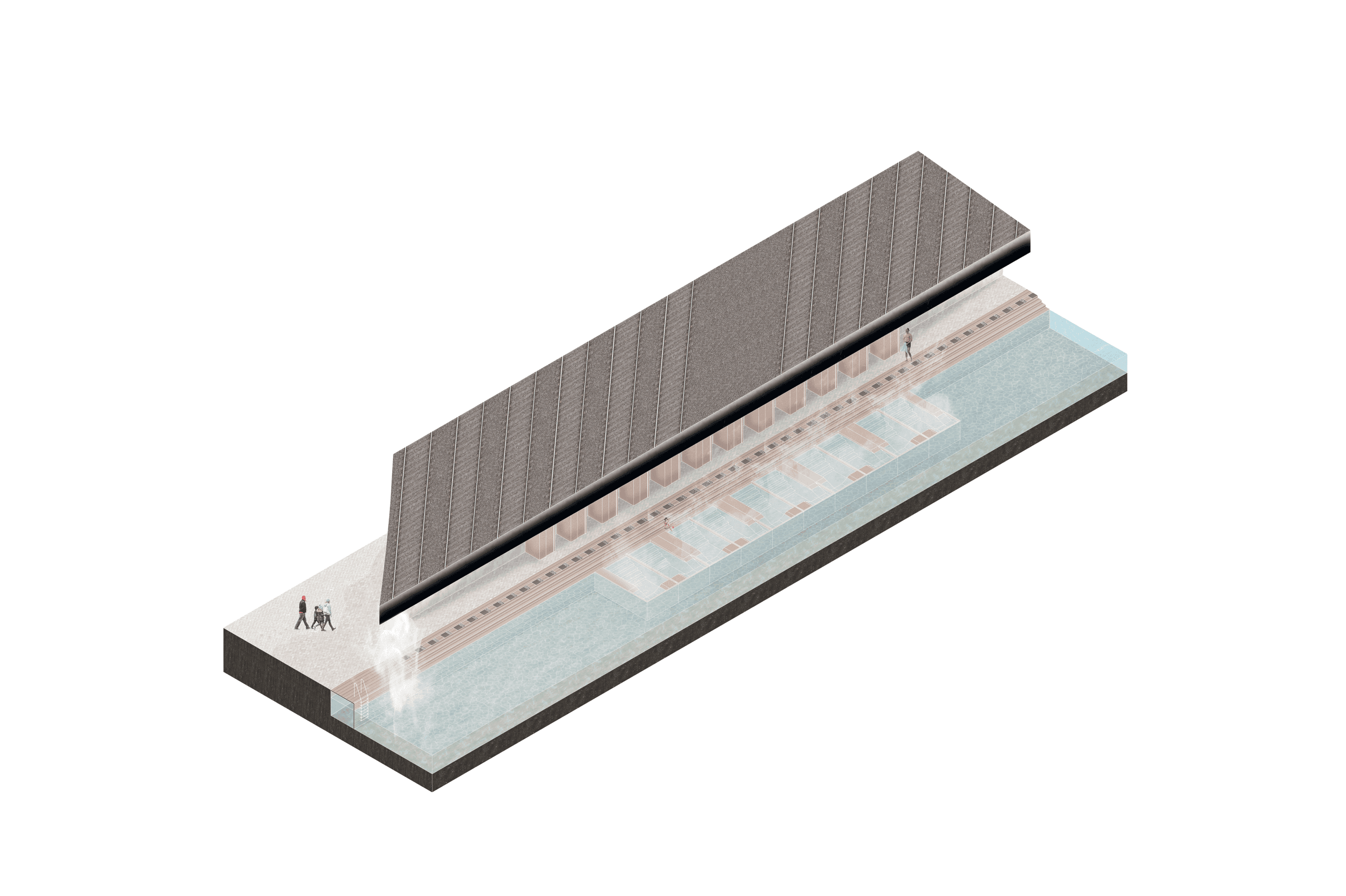
Service design and design thinking can be effectively applied to urban planning at various scales, and that creating services in physical spaces can greatly enhance social engagement and well-being.
Next Project